Cylentrix

SOC OPERATIONAL • 24/7 India • USA • Singapore
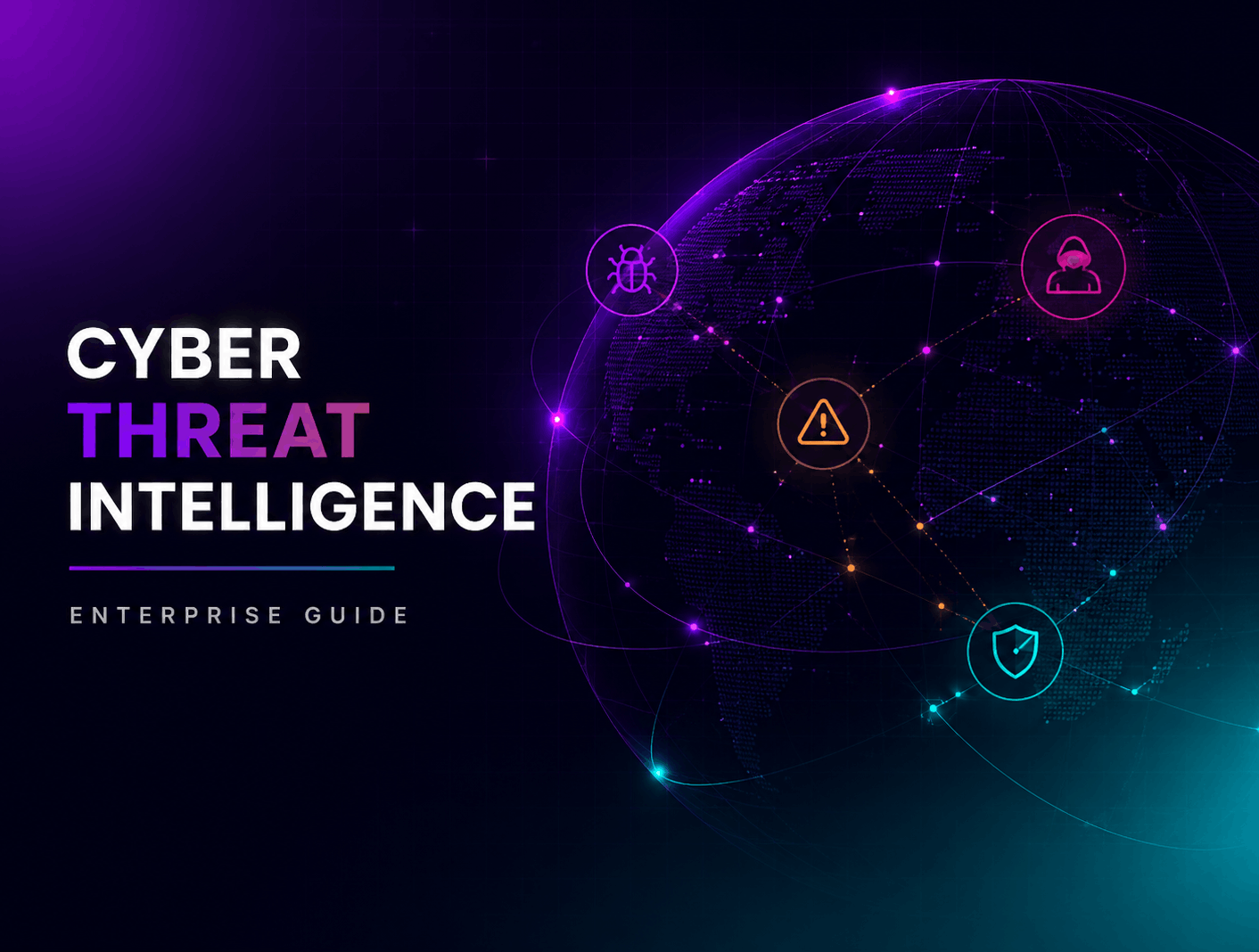
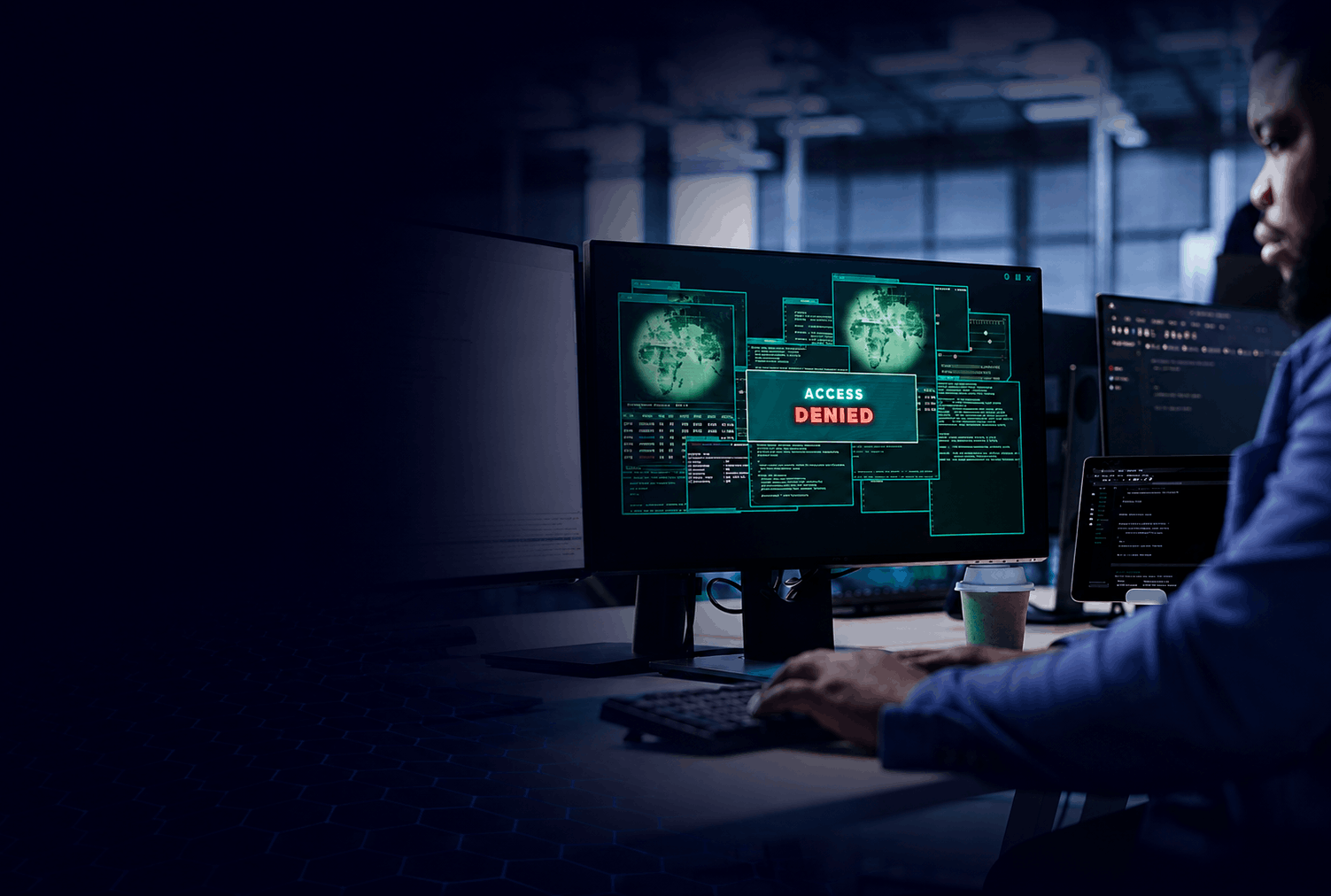
Cyber threat intelligence dashboard over a global threat map, showing threat data being collected, analysed, prioritised and acted on
CYBERSECURITY · THREAT INTELLIGENCE

Threat Intelligence Services

Turn global and external threat signals into actionable intelligence that helps security teams understand emerging threats, identify relevant risks and strengthen proactive defence. Cylentrix combines cyber threat intelligence collection, structured threat intelligence analysis and risk-based prioritisation, so the intelligence reaching your analysts is the intelligence that actually matters to your environment.

01THREAT LANDSCAPE

Know What Is Changing
Beyond Your Network

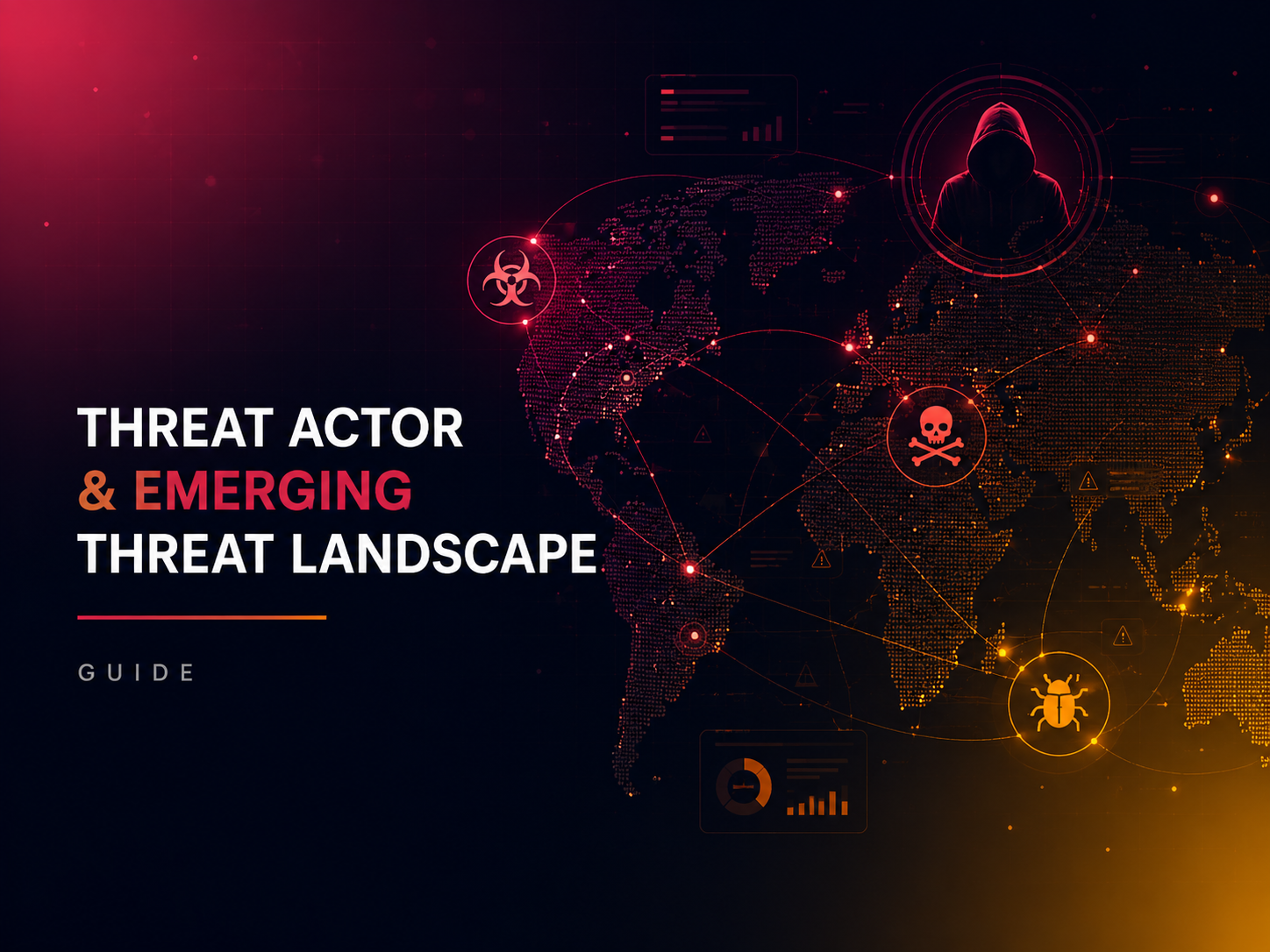
Threat actors, campaigns, vulnerabilities, malicious infrastructure and attack techniques change constantly, and most of that change happens outside your perimeter, where your controls cannot see it.

Threat Intelligence is the practice of collecting, analysing and contextualising information about threats so an organisation can make better-informed security decisions. It is not another alert stream. It is the context that explains which alerts, vulnerabilities and external signals deserve attention first, and why.

Without that context, every security signal looks equally urgent. Threat intelligence helps security teams understand what is relevant to their sector, technologies and exposure, so effort goes where the risk actually is rather than being spread evenly across everything.

  • Emerging Threats

    Identify relevant developments across the evolving threat landscape before they reach your environment.

  • Threat Actors

    Understand activity associated with relevant threat groups, campaigns and observed behaviour.

  • Malicious Infrastructure

    Monitor indicators such as suspicious domains, IP addresses and hosting infrastructure.

  • Vulnerabilities

    Track vulnerability intelligence that may affect business-critical technologies you actually run.

  • Brand & Digital Risk

    Identify external threats targeting organisational identities, domains and digital presence.

02INTELLIGENCE ANALYSIS

From Threat Data
to Decisions

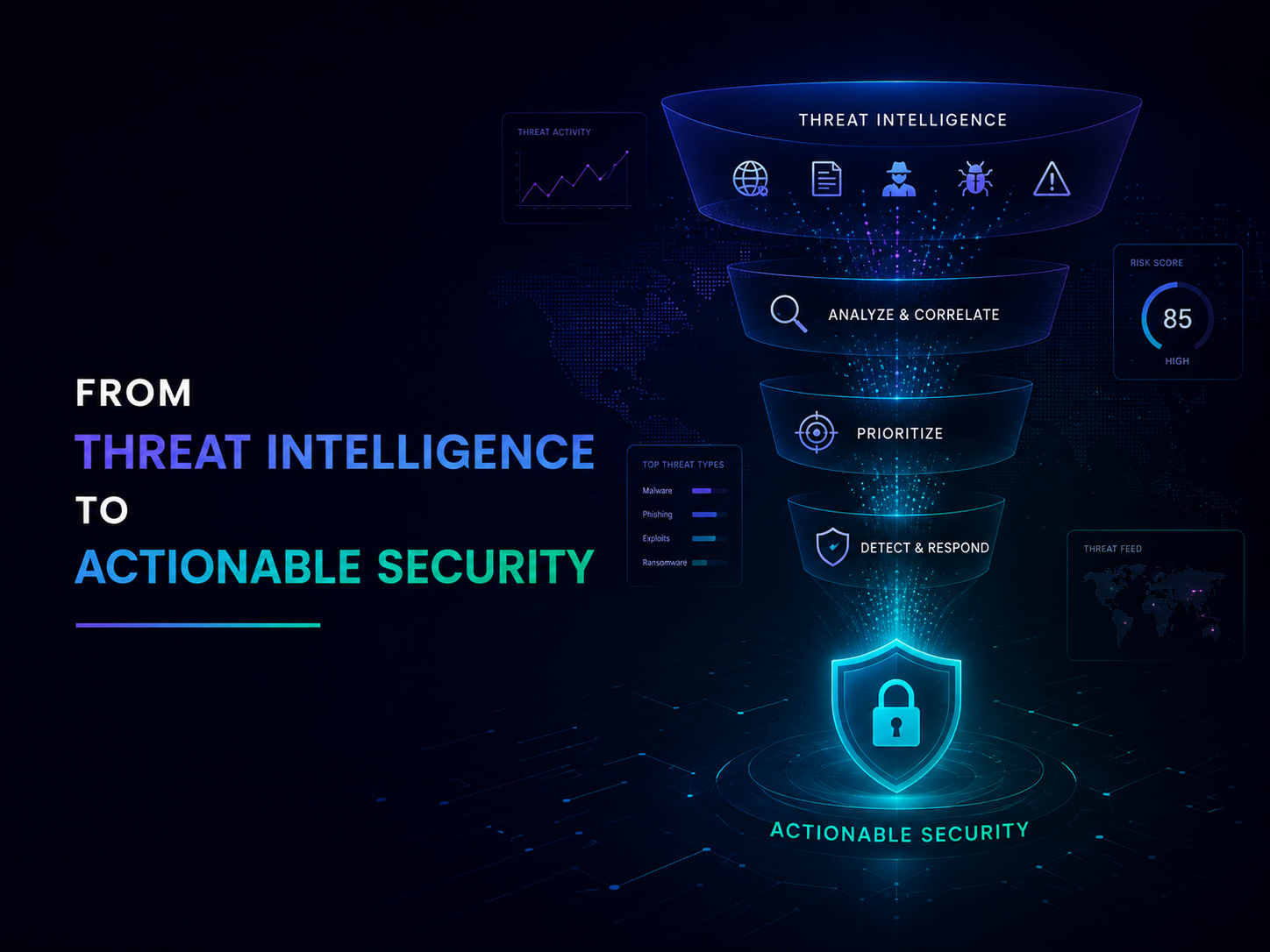
Threat intelligence is only valuable when it becomes actionable. This is the path a signal travels, from the sources it arrives on to the moment it changes what a security team does next.

  • Threat Intelligence Feeds

    Relevant external threat data and indicators.

  • Vulnerability Intelligence

    Information about vulnerabilities and associated risk.

  • Open-Source Intelligence

    Relevant publicly available threat information.

  • Dark Web Intelligence

    Monitoring for relevant exposed information and threat activity.

  • Internal Security Signals

    Telemetry that adds context when combined with external intelligence.

01

Collect

Gather relevant threat signals against defined requirements.

02

Validate

Assess source reliability and indicator quality before use.

03

Enrich

Add context from vulnerabilities, assets and known activity.

04

Correlate

Connect intelligence with relevant internal security information.

05

Prioritize

Determine what matters most to this organisation, in this context.

06

Act

Provide intelligence that supports concrete security decisions.

AI-assisted correlation supports analysts, it does not replace them

03BUSINESS VALUE

What Threat Intelligence
Changes For Your Business

The value of threat intelligence shows up in decisions: what gets fixed first, how quickly an investigation closes, and how much of your exposure you knew about in advance.
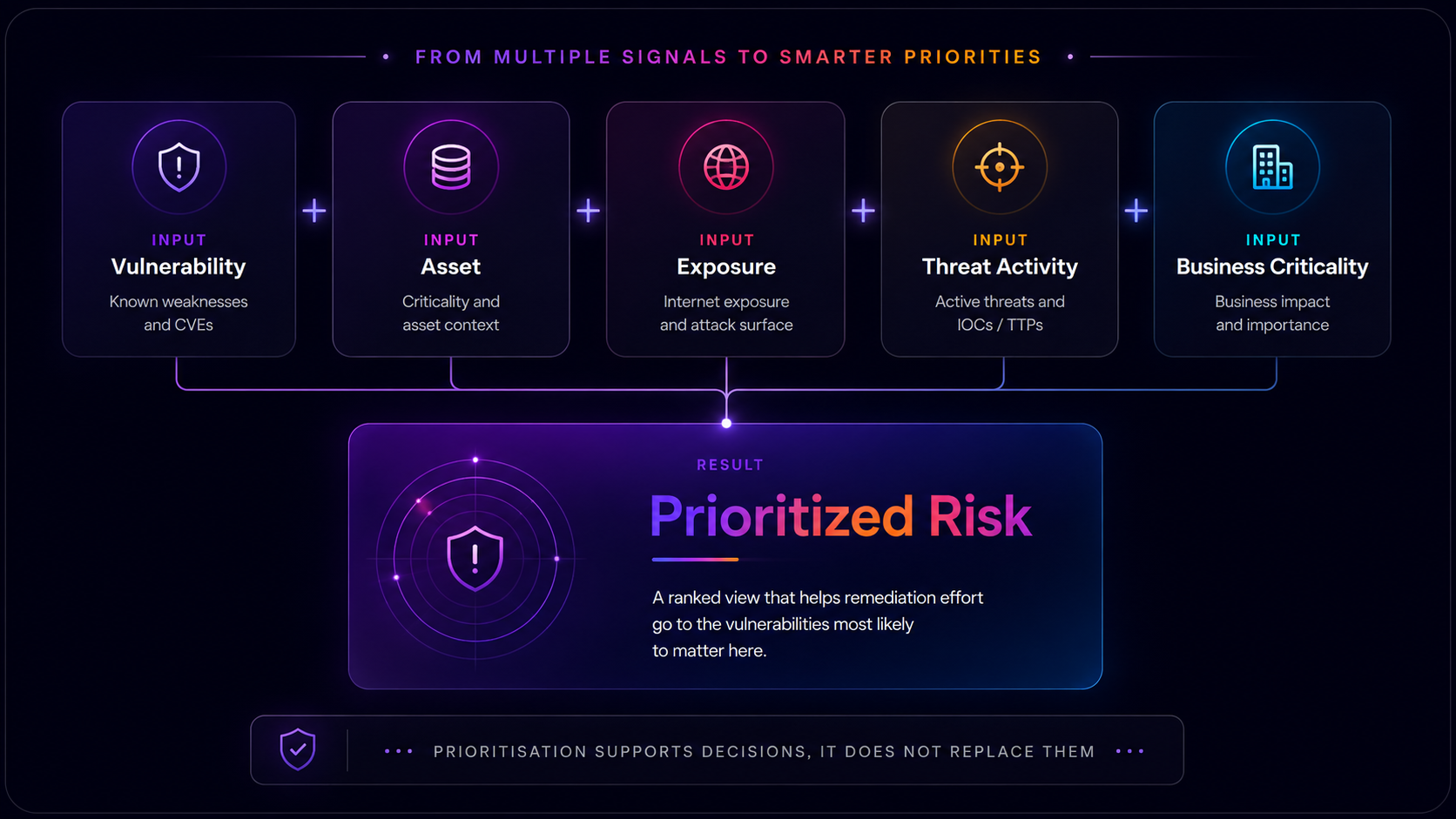
Vulnerability, asset, exposure, threat activity and business criticality combining into a single prioritized risk view
  • Focused Remediation

    Vulnerability intelligence weighed against asset, exposure and threat activity helps teams fix what reduces the most risk first.

  • Earlier Warning

    Emerging threats, threat actor activity and campaign intelligence surface while there is still time to prepare.

  • Faster Investigation

    SIEM and SOC alerts arrive enriched with IOC and IOA context, so analysts spend less time reconstructing background.

  • Less External Exposure

    Brand, domain and dark web monitoring helps identify exposure sitting outside the perimeter, where controls cannot see it.

  • Better-Informed Decisions

    Threat intelligence reports written for analysts and leadership support security planning and investment decisions.

05WHY CYLENTRIX

Why enterprises choose
Cylentrix Threat Intelligence

Intelligence is only as useful as the operational understanding behind it. Cylentrix reads threat data through the lens of the environments we secure, run and connect every day.

Cybersecurity, IT and telecom in one practice

We secure, operate and connect enterprise environments, so intelligence is assessed against how your infrastructure is actually built.

Analyst-led intelligence analysis

Feeds are a starting point, not a deliverable. Our analysts assess reliability, relevance and confidence before anything is escalated.

Security operations understanding

Because we run security operations, we know which intelligence a SOC can act on and which simply adds volume.

Continuous threat monitoring

External signals, brand and domain activity and emerging threats are tracked continuously rather than reviewed periodically.

Risk-based prioritization

Intelligence is ranked against your assets, exposure and business criticality, so effort lands where the risk concentrates.

Security architecture context

Our architecture practice means findings arrive with a view of which controls already mitigate them and which do not.

Incident response integration

When something does happen, the intelligence gathered beforehand becomes context for responders instead of a separate exercise.

Enterprise-focused engagement

Reporting is written for the people who act on it: analysts, security leadership and the executives who fund the response.

India, USA and Singapore presence

Teams across three regions give both local threat context and a view of activity that crosses borders.

06PARTNERS

Technology &
Security Partners

Cylentrix works with established security technology providers so intelligence integrates with the platforms already in place, rather than adding another disconnected console.

  • Fortinet Network security and integrated threat protection
  • Palo Alto Networks Next-generation firewall and threat prevention
  • Sophos Endpoint, network and managed detection
  • Check Point Threat prevention and security gateways
08FAQ

Threat Intelligence,
answered directly

The questions security leaders ask before building or buying a threat intelligence capability, answered the way our analysts answer them.

What is Threat Intelligence?

Threat Intelligence is the collection, analysis and contextualisation of information about threats so an organisation can make better-informed security decisions. It goes beyond raw data by assessing where a signal came from, how reliable it is, and whether it is relevant to a specific environment. The output is intelligence a security team can act on, rather than more data to triage.

What is Cyber Threat Intelligence?

Cyber Threat Intelligence (CTI) is threat intelligence applied to cyber risk specifically: threat actors, campaigns, malware behaviour, malicious infrastructure, vulnerabilities and external exposure. It is usually described at three levels: strategic intelligence for leadership decisions, operational intelligence about campaigns and actor behaviour, and tactical intelligence covering indicators and techniques used in detection.

How can Threat Intelligence help an organisation?

It helps security teams decide where to focus. Threat intelligence supports earlier awareness of emerging threats, gives investigations external context, informs which vulnerabilities to remediate first, and highlights external exposure such as impersonated domains or leaked credentials. It supports proactive defence and better prioritisation, but it does not guarantee that every threat will be detected or prevented.

What are Indicators of Compromise?

Indicators of Compromise (IOCs) are observable artefacts associated with malicious activity, such as malicious IP addresses, domains, URLs, file hashes and suspicious infrastructure. They are useful for detection and retrospective searching, but they age quickly as attackers rotate infrastructure, and an IOC on its own does not tell you whether your organisation was affected.

What are Indicators of Attack?

Indicators of Attack (IOAs) describe suspicious behaviours, attack patterns, anomalous activity and known tactics and techniques, rather than the artefacts an attacker leaves behind. Because behaviour changes more slowly than infrastructure, IOAs often remain relevant longer than IOCs and can support detection earlier in an attack sequence.

How does Threat Intelligence support vulnerability management?

Severity scores alone do not indicate urgency for a specific organisation. Vulnerability intelligence adds context on whether a vulnerability affects technologies actually in use, whether it is associated with observed threat activity, whether affected systems are externally exposed, and how business-critical those systems are. Combining those factors produces a prioritised view that helps remediation effort go where it reduces the most risk.

Can Threat Intelligence integrate with SIEM and SOC operations?

Yes. Threat intelligence is commonly used to enrich SIEM correlation with external context, to give SOC analysts a broader view when investigating suspicious activity, to support hypothesis-driven threat hunting, and to provide context during incident response. Integration is where intelligence becomes operational, which is why it should be planned around existing detection and response workflows rather than delivered as standalone reporting.

How can Cylentrix help organisations build a proactive threat intelligence capability?

Cylentrix helps define intelligence requirements, select and evaluate relevant sources, and establish analysis and prioritisation processes suited to the organisation's sector and technology footprint. Because we also deliver security operations, architecture and incident response, intelligence is assessed against how your environment is actually built and integrated into the workflows that already exist. Teams across India, USA and Singapore provide both local threat context and a view of cross-border activity.

GET STARTED

Turn Threat Signals
Into Security Action

Gain clearer visibility into emerging threats, external exposure and relevant threat activity with intelligence designed to support proactive security decisions. Tell us what you are trying to protect and a Cylentrix security specialist will get back to you.

Request a Callback Tell us what you need to protect