Every business owner wants to believe their digital front door is locked tight. You probably have an internet router, some basic antivirus software installed on the company computers, and a firewall that was set up a few years ago. For a long time, that felt like enough to keep the bad guys out. But the reality of running a business today is much more complicated. Cyber threats are no longer just simple viruses sent by bored teenagers. They are highly organized, profit-driven operations targeting businesses of all sizes.
Many companies make the mistake of assuming that small or medium sized operations are not attractive targets. This is simply not true. Attackers often prefer smaller businesses precisely because they know these organizations usually lack enterprise level security. The attackers use automated tools to scan the entire internet, looking for weak entry points, outdated hardware, and poorly configured networks. If your firewall is not up to the task, your business will eventually be compromised.
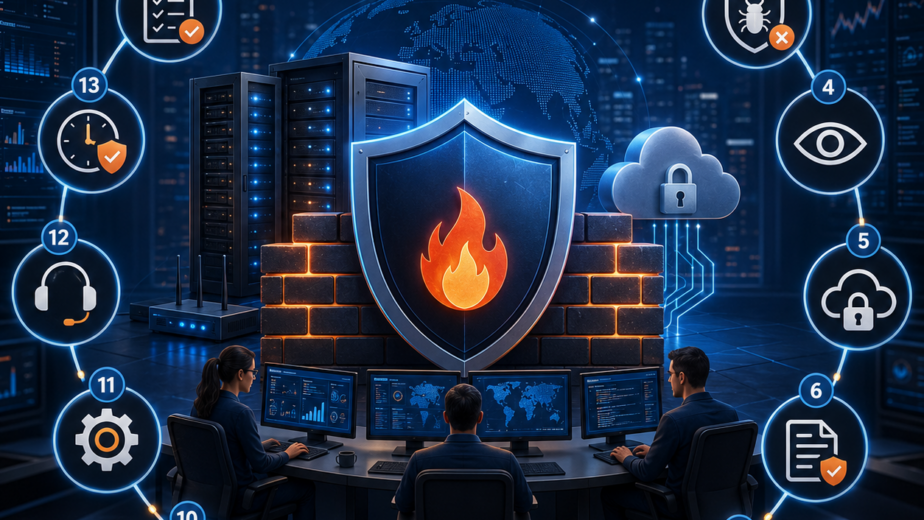
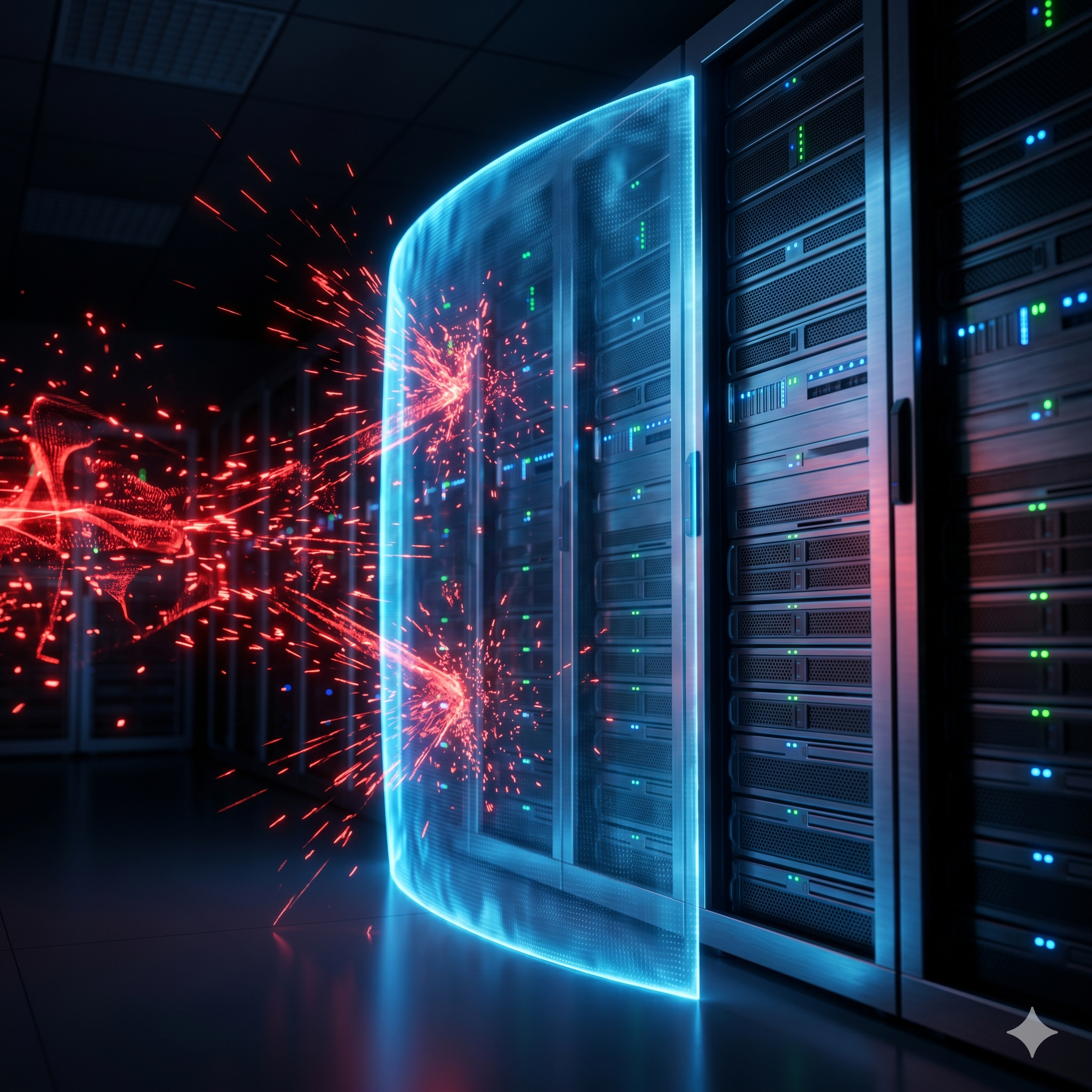
A firewall acts as the digital bouncer for your network. It decides what traffic is allowed in and what traffic must be kept out. However, older firewalls only look at the surface level of this traffic. They check where the data is coming from and where it is going. Modern threats are much smarter than that. They hide inside normal looking traffic, bypassing old security measures completely.
If you are unsure whether your current security setup is doing its job, you are not alone. Technology moves incredibly fast, and it is easy to fall behind. To help you figure out where you stand, we have put together a detailed list of warning signs. Here are 10 clear indicators that your business desperately needs a stronger cybersecurity firewall.
- Your Internet Speed is Unexplainably Slow
We all deal with slow internet from time to time. Sometimes the internet service provider is having an off day, or maybe someone in the office is downloading a massive video file. But if your network speed is constantly crawling and you cannot figure out why, you might have a serious security problem on your hands.
When a network is compromised, malicious software often runs quietly in the background. It might be sending out thousands of spam emails, mining cryptocurrency, or silently communicating with a remote server. All of this unauthorized activity consumes a massive amount of your available bandwidth. An outdated firewall cannot detect this type of internal abuse because it only focuses on blocking external attacks.
A modern, next generation firewall looks deeper. It has the ability to monitor the specific types of applications using your bandwidth. It can identify and block malicious background processes that are eating up your internet speed. Upgrading your firewall will not only secure your network but also restore the fast speeds your team needs to stay productive. If you are struggling with ongoing speed issues, starting with a comprehensive network performance audit is a great way to uncover what is actually happening behind the scenes.
- Employees Experience Frequent Phishing Attempts
Phishing emails are one of the most common ways attackers break into a business. These emails are designed to trick your employees into clicking a malicious link or downloading a dangerous attachment. While a firewall cannot stop an email from landing in an inbox, a strong firewall is an essential safety net for when an employee inevitably makes a mistake.
Let us say someone on your sales team clicks a link in a fake invoice email. An older firewall will simply let that connection happen because it looks like a standard request to view a webpage. A modern firewall is much smarter. It uses built in intelligence to recognize that the destination website is known for hosting malware or stealing passwords. The firewall steps in at the very last second and blocks the connection, saving your business from a disaster.
If your staff is constantly bombarded by suspicious emails, the odds of someone clicking a bad link increase every single day. Upgrading your firewall provides an active layer of defense that catches human error before it turns into a company wide crisis. Pairing a new firewall with routine employee security awareness training will drastically reduce your risk of a successful phishing attack.
- You Are Expanding to a Remote Workforce
The way we work has completely changed over the last few years. Employees are no longer sitting at desks inside a single office building. They are working from kitchen tables, coffee shops, and airport lounges. This shift has completely destroyed the traditional idea of a secure network perimeter.
When your team works remotely, they are connecting to your business data through home networks and public Wi-Fi. These external networks are incredibly insecure. If an employee’s home computer gets infected, and they connect to your office servers using an old virtual private network, that infection can easily travel straight into your company network. Old firewalls were not built to handle this chaotic mix of external connections.
You need a strong firewall that supports secure, encrypted connections for remote workers. Modern firewalls allow you to verify the security posture of the remote device before allowing it to access your sensitive data. They make sure the remote computer has active antivirus software and the latest updates installed. If you plan to keep offering flexible work options, investing in proper remote workforce IT solutions and a robust firewall is completely non negotiable.
- Unusual Outbound Traffic Spikes
Most business owners only worry about the traffic coming into their network. They want to stop hackers from breaking in. However, monitoring the traffic leaving your network is just as critical. When cybercriminals successfully breach a system, their main goal is usually to steal valuable data. They want your client lists, your financial records, and your intellectual property.
To get this information, they have to transfer it out of your network and onto their own servers. This process is called data exfiltration. Older firewalls almost never block outbound traffic. They assume that if the request originated from inside the building, it must be safe and authorized. This is a massive vulnerability.
A stronger firewall constantly watches outbound traffic patterns. If a computer in your accounting department suddenly tries to upload 50 gigabytes of data to an unknown server overseas at three in the morning, a modern firewall will immediately block the transfer and alert your IT team. Data breaches are incredibly expensive, and reading through the IBM Cost of a Data Breach report will quickly show you just how devastating these incidents can be for a growing company.
- You Have Not Updated Your Firewall Rules in Years
Firewalls operate based on a set of rules. These rules tell the system exactly what is allowed and what is forbidden. Over time, as a business grows and changes, these rules need to be updated. Employees come and go, new software is purchased, and old servers are retired.
Unfortunately, many companies treat their firewall like a slow cooker. They set it and forget it. After five or six years, the firewall becomes clogged with outdated rules, temporary permissions that were never revoked, and conflicting instructions. This creates massive security loopholes. A hacker scanning your network might find a port left open from a project that ended three years ago.
If nobody on your team has actively reviewed or cleaned up your firewall configuration recently, your network is at serious risk. Managing these rules takes expertise. Security professionals frequently read up on the latest Gartner insights on network security to understand the best practices for rule configuration. A completely new firewall deployment forces you to start fresh, evaluate what access is truly necessary, and build a clean, secure environment from the ground up.
- Increasing Reliance on Cloud Applications
Think about the software your business uses every day. Chances are, you are using cloud based applications for email, file storage, customer relationship management, and accounting. Your data is no longer sitting on a server in your back room. It is scattered across various data centers around the world.
Traditional firewalls were designed to protect a physical location. They put a digital fence around your office building. But when your data lives in the cloud, that physical fence is no longer enough. If an employee logs into a cloud application from their personal phone, that traffic never touches your office firewall.
To protect cloud environments, you need a firewall solution that extends beyond your physical office. Modern firewalls integrate with cloud platforms to secure data wherever it lives. They can monitor exactly who is logging into your cloud apps and what they are doing once they get inside. Upgrading to advanced cloud security management services ensures that your business can enjoy the convenience of the cloud without sacrificing the safety of your confidential information.
- Customers Express Concern About Data Privacy
In today’s digital world, consumers and business clients are highly educated about data privacy. Every time they turn on the news, they hear about another massive corporate data breach. Because of this, people are becoming very selective about who they trust with their personal and financial information.
If you do business with other companies, you have probably noticed an increase in vendor risk assessments. Larger companies will ask you to fill out detailed questionnaires about your cybersecurity practices before they agree to sign a contract with you. If you tell them you are using a five year old firewall with basic default settings, they will likely take their business to your competitors.
Having a strong, modern firewall is a massive selling point. It shows your clients that you take their privacy seriously. It demonstrates maturity and professionalism. Taking a look at the Forbes Technology Council discussions on consumer data privacy reveals that trust is quickly becoming a primary driver for business growth. Upgrading your firewall is not just an IT expense, it is an investment in your company’s reputation.
- Your Business Just Upgraded Its Hardware but Kept the Old Router
It is very common for businesses to spend thousands of dollars upgrading employee laptops, office printers, and smart conference room equipment. However, they completely ignore the network hardware that connects all of these fancy new devices to the internet. Connecting a brand new computer to a ten year old firewall is like putting a rusted padlock on a bank vault.
Furthermore, modern offices are filled with connected devices that are incredibly vulnerable to hacking. Smart TVs, security cameras, internet connected thermostats, and Wi-Fi enabled printers are notorious for having terrible built in security. Attackers frequently use these minor devices as a stepping stone to break into the main network.
A strong, modern firewall solves this problem through a process called network segmentation. It allows you to place all of your smart devices on a separate, isolated network. If a hacker manages to compromise the smart TV in your boardroom, they will be trapped on that isolated network and unable to reach your accounting servers. You can read the latest statistics on IoT vulnerabilities from Cybersecurity Ventures to understand why keeping smart devices separated from core business data is absolutely vital.
- You Cannot Easily Monitor Network Traffic
Visibility is the most important element of cybersecurity. You cannot defend against a threat if you cannot see it. Older firewalls are notoriously bad at providing useful information. They might keep a raw text log of blocked connections, but making sense of that data requires hours of tedious manual reading by a highly trained engineer.
As a business owner or IT manager, you need clear, actionable insights. If your network is actively under attack, you need to know immediately, not three weeks later when someone finally checks the logs.
Modern firewalls come with intuitive, graphical dashboards. They provide real time alerts when suspicious activity occurs. They can generate reports showing exactly which devices are consuming the most bandwidth, which countries are trying to access your servers, and which employees are visiting risky websites. This level of visibility empowers you to make smart, fast decisions. Partnering with an expert provider for managed IT and cybersecurity services will ensure that these advanced dashboards are constantly monitored by professionals who know exactly how to interpret the data and react to emerging threats.
- Recurring Malware Infections on Individual Devices
Antivirus software is important, but it should never be your only line of defense. Think of antivirus software as the interior alarm system of a house. If the alarm goes off, it means the burglar has already broken through the front door and is standing in your living room.
If your IT team is constantly cleaning malware, adware, or viruses off of employee computers, your firewall is failing to do its job. A strong firewall acts as the perimeter fence and the locked front door. It is designed to inspect all incoming traffic, identify malicious payloads, and destroy them before they ever reach an employee’s computer.
Relying entirely on local antivirus software is a losing battle. Attackers constantly write new code to bypass standard antivirus scans. A next generation firewall uses advanced behavioral analysis and cloud based threat intelligence to catch brand new, never before seen viruses. If you want to see how these attacks constantly evolve, the annual Verizon Data Breach Investigations Report provides incredible insight into how malware consistently slips past basic defenses.
Time to Take Action and Secure Your Business
Ignoring your network security will eventually cost you time, money, and your hard earned reputation. Cybercriminals are actively looking for the path of least resistance. If your firewall is outdated, improperly configured, or simply missing the advanced features required to handle modern threats, you are leaving your digital front door wide open.
You have worked incredibly hard to build your business. Do not let a preventable security incident destroy what you have created. Take the time to evaluate your current network infrastructure. Look closely for the warning signs we have discussed today. If your internet is dragging, your remote workers are unprotected, or you have zero visibility into your network traffic, the time to upgrade is right now. Investing in a strong, modern firewall is the absolute best way to ensure your confidential data, your employees, and your clients stay safe in an unpredictable digital world. Speak with an IT professional, request a thorough security assessment, and lock down your network before an attacker makes the decision for you.