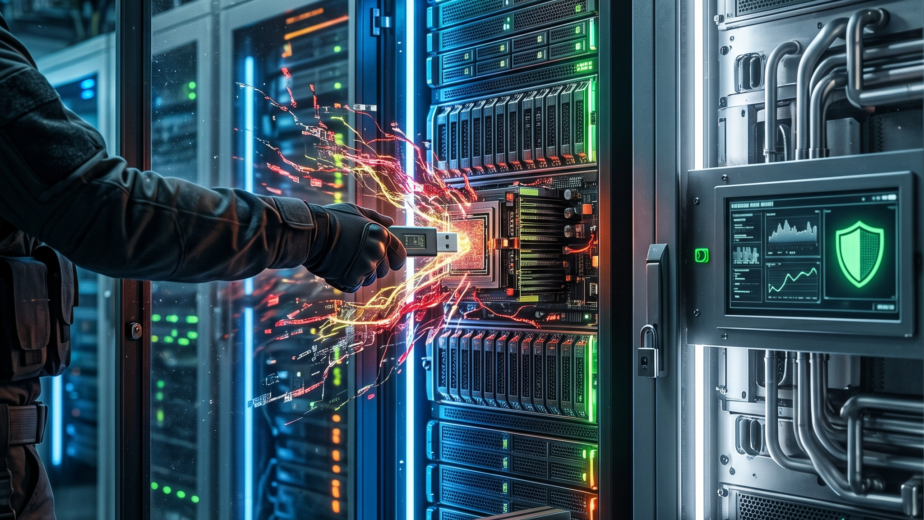

Cyber threats are no longer a concern only for large enterprises. Small and mid-sized businesses are increasingly becoming targets because attackers often view them as easier targets with fewer security resources.
That’s where managed firewall services come in. Instead of relying solely on internal IT teams to monitor and maintain firewall infrastructure, businesses can outsource firewall management to cybersecurity specialists who provide around-the-clock protection, monitoring, and support.
For growing companies, this approach offers more than just security. It can reduce costs, improve efficiency, support compliance requirements, and help businesses scale with confidence.
In this guide, we’ll explore 15 key benefits of managed firewall services and explain why more organizations are making them a core part of their cybersecurity strategy.
What Are Managed Firewall Services?
Managed firewall services involve the monitoring, management, maintenance, and optimization of firewall systems by a dedicated security provider.
These services typically include:
- 24/7 monitoring
- Firewall configuration and management
- Threat detection and response
- Security policy updates
- Log analysis and reporting
- Compliance support
- Incident response assistance
Rather than handling these tasks internally, businesses gain access to experienced security professionals who manage firewall operations on their behalf.
Why Growing Companies Need Strong Firewall Protection
As businesses expand, their networks become more complex.
New employees, cloud applications, remote workers, branch offices, and connected devices all increase the potential attack surface.
Without proper firewall management, organizations may face:
- Data breaches
- Malware infections
- Ransomware attacks
- Unauthorized access
- Regulatory penalties
- Downtime and productivity loss
Managed firewall services help reduce these risks while allowing internal teams to focus on business priorities.
1. 24/7 Security Monitoring
Cyberattacks don’t follow business hours.
A major advantage of managed firewall services is continuous monitoring. Security experts monitor network traffic around the clock, helping identify suspicious activity before it becomes a serious incident.
This level of coverage is difficult and expensive for most growing companies to maintain internally.
2. Faster Threat Detection
The sooner a threat is identified, the less damage it can cause.
Managed security teams use advanced monitoring tools and threat intelligence to detect unusual patterns, malicious traffic, and unauthorized access attempts.
Early detection can prevent:
- Data theft
- Malware spread
- Network disruptions
- Financial losses
3. Reduced Burden on Internal IT Teams
Many growing businesses operate with lean IT departments.
Managing firewall infrastructure requires specialized expertise, regular updates, monitoring, and troubleshooting. Outsourcing these responsibilities frees internal teams to focus on projects that directly support business growth.
For example:
Internal IT Task | Managed Provider Handles |
Firewall updates | Yes |
Security monitoring | Yes |
Threat analysis | Yes |
Policy management | Yes |
Incident response support | Yes |
This division of responsibilities improves overall efficiency.
4. Access to Cybersecurity Experts
Hiring experienced cybersecurity professionals can be costly and competitive.
Managed firewall service providers give businesses access to trained specialists who work with security systems every day.
These experts understand:
- Emerging threats
- Security best practices
- Firewall optimization
- Regulatory requirements
- Incident response procedures
This expertise can significantly strengthen an organization’s security posture.
5. Improved Network Visibility
Many organizations lack clear visibility into what’s happening across their networks.
Managed firewall services provide detailed reporting and monitoring tools that help businesses understand:
- User activity
- Application usage
- Network traffic patterns
- Potential vulnerabilities
- Security events
Better visibility leads to better decision-making.
6. Proactive Security Management
Traditional security often focuses on reacting to incidents after they occur.
Managed firewall services take a proactive approach by:
- Reviewing firewall rules regularly
- Identifying vulnerabilities
- Applying security updates
- Monitoring for emerging threats
This helps prevent incidents before they affect business operations.
7. Stronger Protection Against Cyberattacks
Firewalls serve as the first line of defense against many cyber threats.
A properly managed firewall can help block:
- Malware
- Ransomware
- Phishing-related attacks
- Unauthorized access attempts
- Distributed denial-of-service (DDoS) attacks
When combined with professional monitoring, firewall protection becomes significantly more effective.
8. Easier Compliance Management
Many industries must comply with strict security regulations.
Examples include:
- GDPR
- HIPAA
- PCI DSS
- ISO 27001
- SOC 2
Managed firewall services can help organizations maintain security controls, generate audit reports, and demonstrate compliance readiness.
This reduces the burden during audits and assessments.
9. Lower Operational Costs
Building an internal firewall management team requires investment in:
- Security personnel
- Monitoring tools
- Training programs
- Infrastructure upgrades
Managed firewall services often provide a more cost-effective alternative.
Businesses gain access to enterprise-level security expertise without the expense of hiring a full security operations team.
10. Scalability for Business Growth
As companies grow, security requirements evolve.
Managed firewall services make it easier to scale protection across:
- New offices
- Remote teams
- Cloud environments
- Additional users
- New applications
Organizations can expand without constantly redesigning their security infrastructure.
11. Faster Incident Response
When a security event occurs, every minute matters.
Managed providers typically have established incident response processes that allow them to:
- Detect the issue.
- Investigate the threat.
- Contain the attack.
- Implement corrective measures.
- Restore normal operations.
Quick response reduces potential damage and downtime.
12. Continuous Firewall Optimization
Firewall configurations should never remain static.
As networks evolve, firewall policies must adapt to changing business requirements and threat landscapes.
Managed firewall services include ongoing optimization through:
- Rule reviews
- Policy updates
- Performance tuning
- Traffic analysis
This helps maintain both security and network performance.
13. Enhanced Support for Remote Work
Remote and hybrid work environments create additional security challenges.
Employees often connect from:
- Home networks
- Public Wi-Fi
- Mobile devices
- Cloud platforms
Managed firewall services help secure these connections through advanced access controls and network monitoring.
This is especially important for businesses with distributed workforces.
14. Reduced Risk of Human Error
Many security incidents result from configuration mistakes.
Examples include:
- Open ports
- Weak access controls
- Incorrect firewall rules
- Delayed updates
Managed firewall specialists follow established processes and best practices, reducing the likelihood of costly errors.
15. Greater Business Continuity
Security incidents can disrupt operations, damage customer trust, and affect revenue.
Managed firewall services support business continuity by helping organizations:
- Prevent attacks
- Minimize downtime
- Protect sensitive information
- Maintain operational stability
For growing companies, continuity is often just as important as security itself.
Managed Firewall Services Checklist
Use this checklist when evaluating a managed firewall provider:
Essential Features
✅ 24/7 monitoring
✅ Threat detection and response
✅ Firewall rule management
✅ Security reporting
✅ Compliance support
✅ Incident response assistance
✅ Scalability options
✅ Cloud security support
✅ Experienced security team
✅ Service level agreements (SLAs)
If a provider cannot offer most of these capabilities, it may be worth exploring other options.
How to Know If Your Business Needs Managed Firewall Services
You may benefit from managed firewall services if:
- Your IT team is stretched thin.
- Your company handles sensitive customer data.
- You have remote employees.
- You operate across multiple locations.
- Compliance requirements are increasing.
- You lack in-house cybersecurity expertise.
- You want continuous monitoring without hiring additional staff.
For many growing businesses, the answer becomes clear once security demands begin exceeding internal resources.
Common Questions About Managed Firewall Services
Do managed firewall services replace my internal IT team?
No. They complement your internal IT team by handling firewall security and monitoring while your staff focuses on broader business technology needs.
Are managed firewall services suitable for small businesses?
Yes. Small businesses often benefit significantly because they gain access to security expertise without hiring a dedicated cybersecurity team.
Can managed firewall services support cloud environments?
Yes. Most providers support hybrid, cloud, and multi-cloud infrastructures alongside traditional networks.
How often are firewall rules updated?
This depends on business requirements and threat activity, but reputable providers review and update policies regularly.
Do managed firewall services help with compliance audits?
Yes. Many providers offer reporting, documentation, and security controls that support compliance efforts.
Conclusion
As cyber threats continue to grow in sophistication, businesses need more than a basic firewall installation. They need continuous monitoring, expert management, proactive threat detection, and rapid response capabilities.
That’s why managed firewall services have become a valuable investment for growing organizations. From stronger security and compliance support to lower operational costs and improved scalability, the benefits extend far beyond simple firewall maintenance.
Companies that partner with experienced managed security providers can focus on growth while maintaining a stronger, more resilient security posture.
If your business is looking to improve network protection, reduce risk, and strengthen cybersecurity operations, now is the time to evaluate how managed firewall services can support your long-term goals.